Experience the Julian Alps in harmony with nature
From the slopes of Mount Canin to the gravel banks of the Tagliamento, the Julian Alps Biosphere Reserve can be explored on foot, on two wheels, on the water or from the air. Seven hundred square kilometres of unspoilt nature, with landscapes that change within a few kilometres and activities for every season.
A landscape shaped by water, ice and human presence
The Julian Alps are mountains of limestone and dolomite, shaped by karst processes that have carved out sinkholes, tunnels and gorges over millions of years. The very same rock that forms the vertical walls of the Jôf di Montasio creates the narrow gorges of the streams and colours the waters of the Fella blue and green. The climb is steep: from the Friuli plain, you reach an altitude of 2,700 metres in less than thirty kilometres, passing through deciduous woods, beech and spruce forests, alpine pastures kept open by centuries of pastoral life, alpine meadows and ridges marking the border with Slovenia.
This landscape offers a whole range of ways to experience the area. The limestone cliffs are ideal for climbing and via ferratas. The karst gorges are perfect for canyoning. The steep gradients give rise to hiking trails that change completely in character within just a few hours’ walk. The Fella and the Tagliamento — two rivers with contrasting characters — offer opportunities for kayaking, canoeing and rafting. The Canin massif retains abundant snow even when the rest of the region is already in spring. The thermal currents on the slopes of Monte Cuarnan carry paragliders to high altitudes with views stretching all the way to the sea.
It is a relatively uncrowded area, even in the summer months. The valleys are separated by ridges and do not easily connect with one another: each has its own distinct character, its own community, and its own language or dialect.
The activities
Hiking and trekking
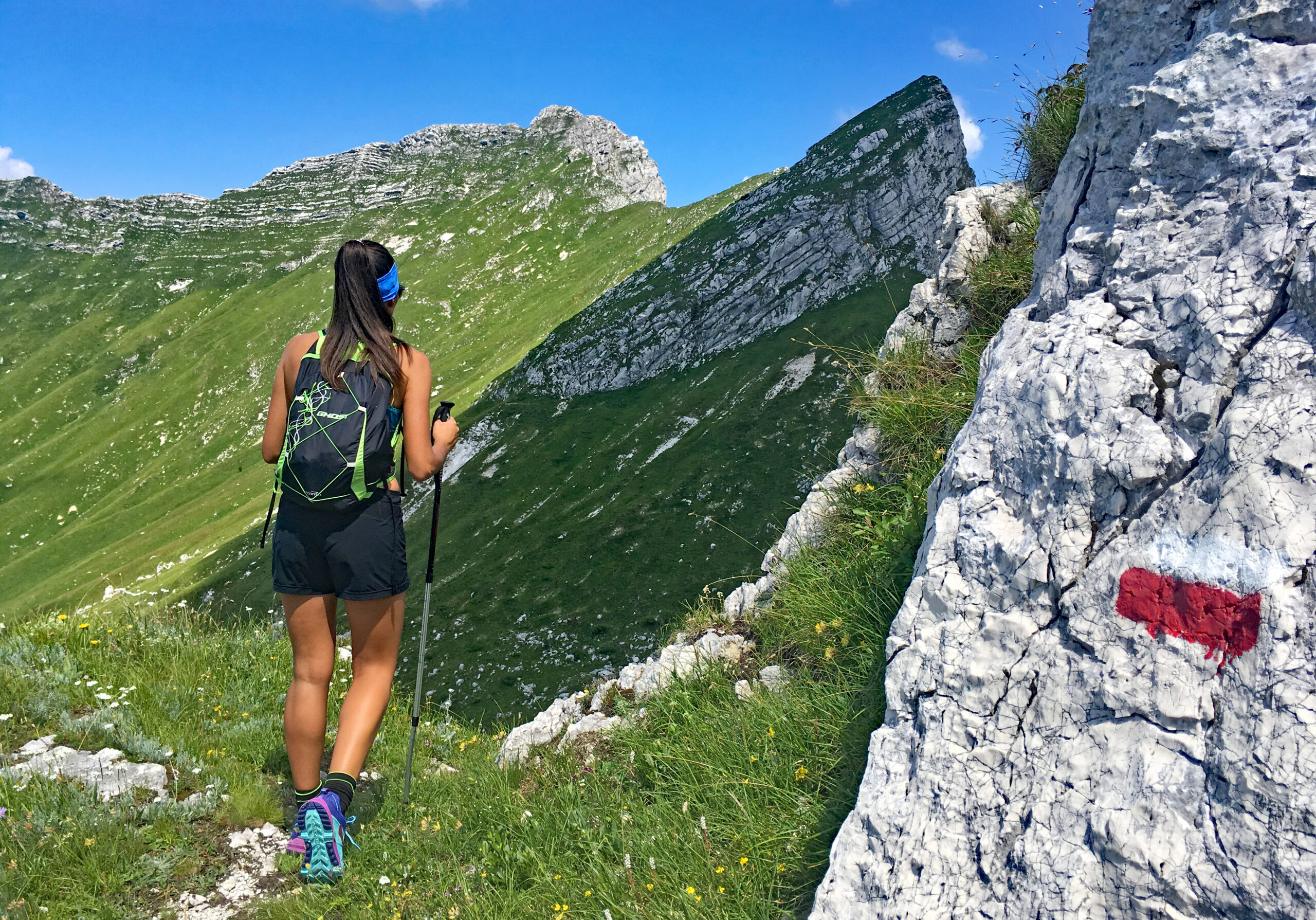
The trails of the Julian Alps wind through rapidly changing landscapes: deciduous woodlands in the valley floors, beech forests at mid-altitudes, alpine pastures and meadows on Mount Plauris and Gran Monte, right up to the rugged vistas of the Canin massif and the vertical cliffs of Jôf di Montasio. Along the way, traces of a land inhabited for centuries emerge — mule tracks, casere (old refuge for cheese production), stone huts and the silent remains of the First World War. Accessible trails and high-mountain routes coexist in the same area, in well-preserved and rarely crowded environments.
Rafting, Kayak and Canyoning
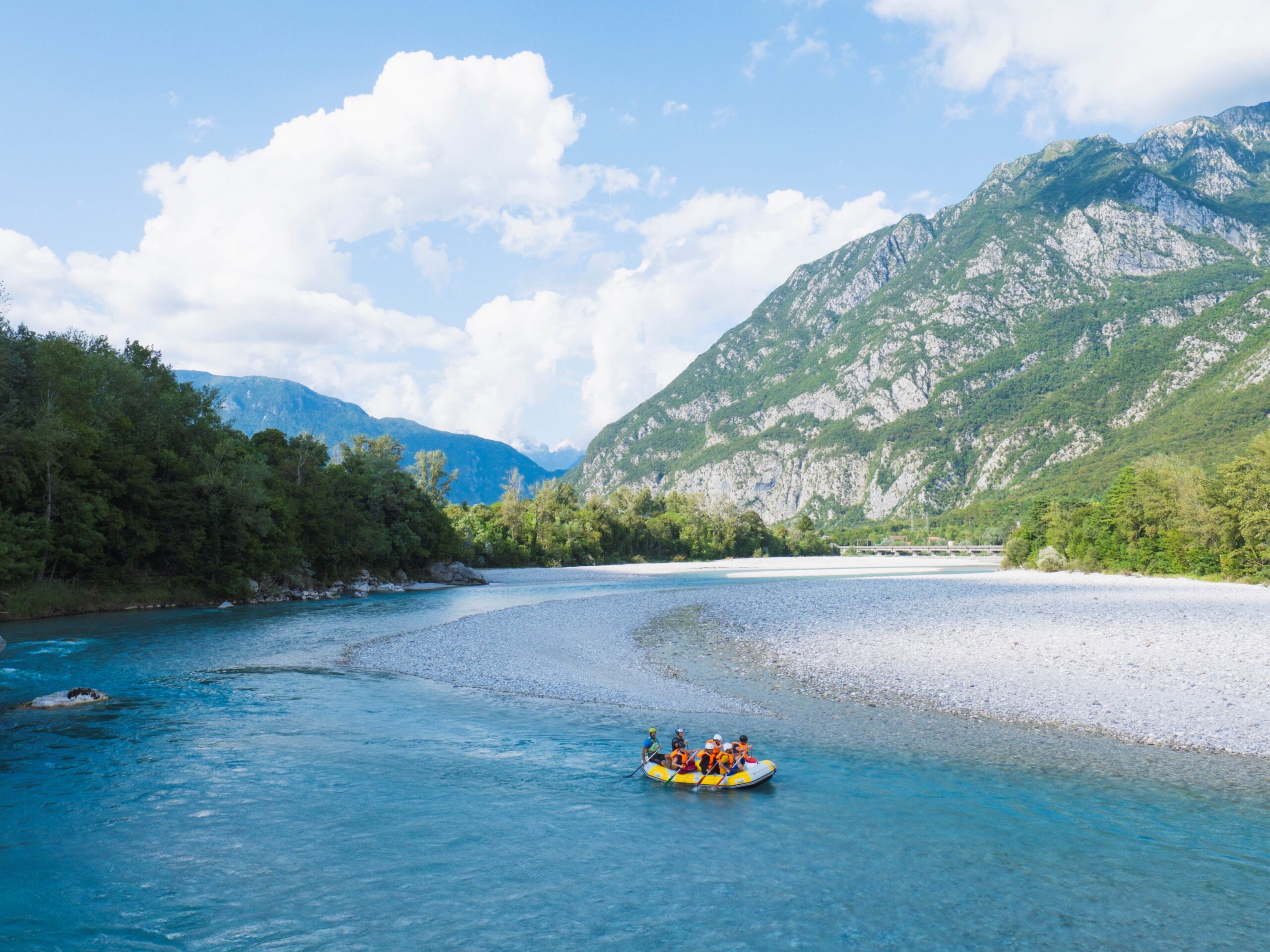
The River Fella — with its bed of white gravel, crystal-clear blue-green waters and fast-flowing currents — is the ideal setting for rafting and kayaking on rapids of varying difficulty. The Tagliamento offers a completely different experience: a riverbed that constantly shifts between channels, small islands and shifting gravel banks. The karst gorges of the Julian Alps, such as the Rio Simon or the gorges of the Val Resia, are explored instead with ropes and harnesses, gliding between natural pools and waterfalls.
Mountaineering and climbing
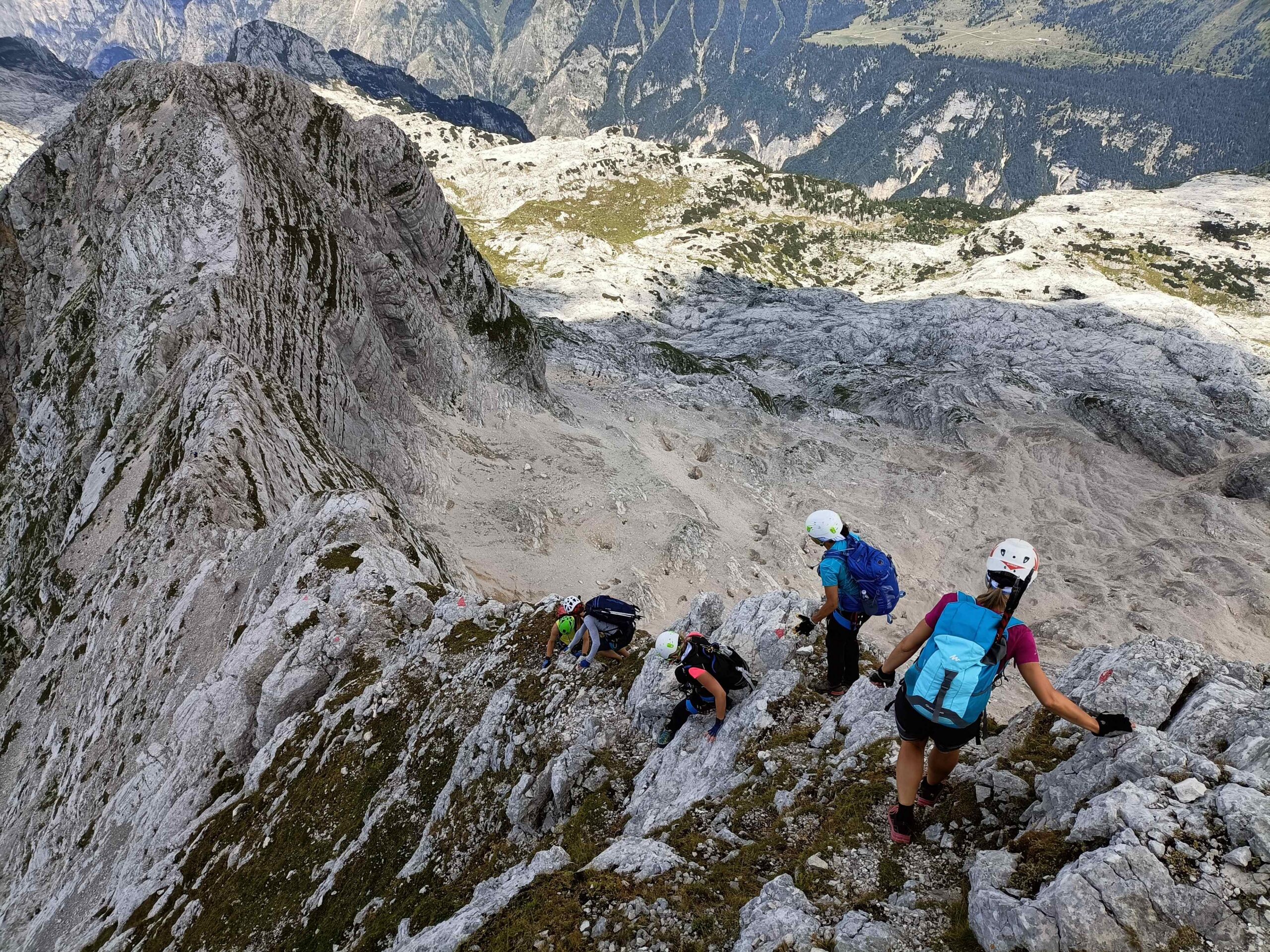
The limestone and dolomite walls of the Julian Alps offer historic via ferrata routes — some of which were opened by the Alpine troops of the Julia Brigade in the 1960s — and free-climbing crags on solid rock, with grades suitable for both beginners and experts. Between Canin, Montasio and Creta Grauzaria, the vertical routes wind through an unspoilt alpine landscape, where the ridges marking the border between Italy and Slovenia and the rocky ledges are home to birds of prey, endemic flora and the silence of a little-visited mountain.
Paragliding
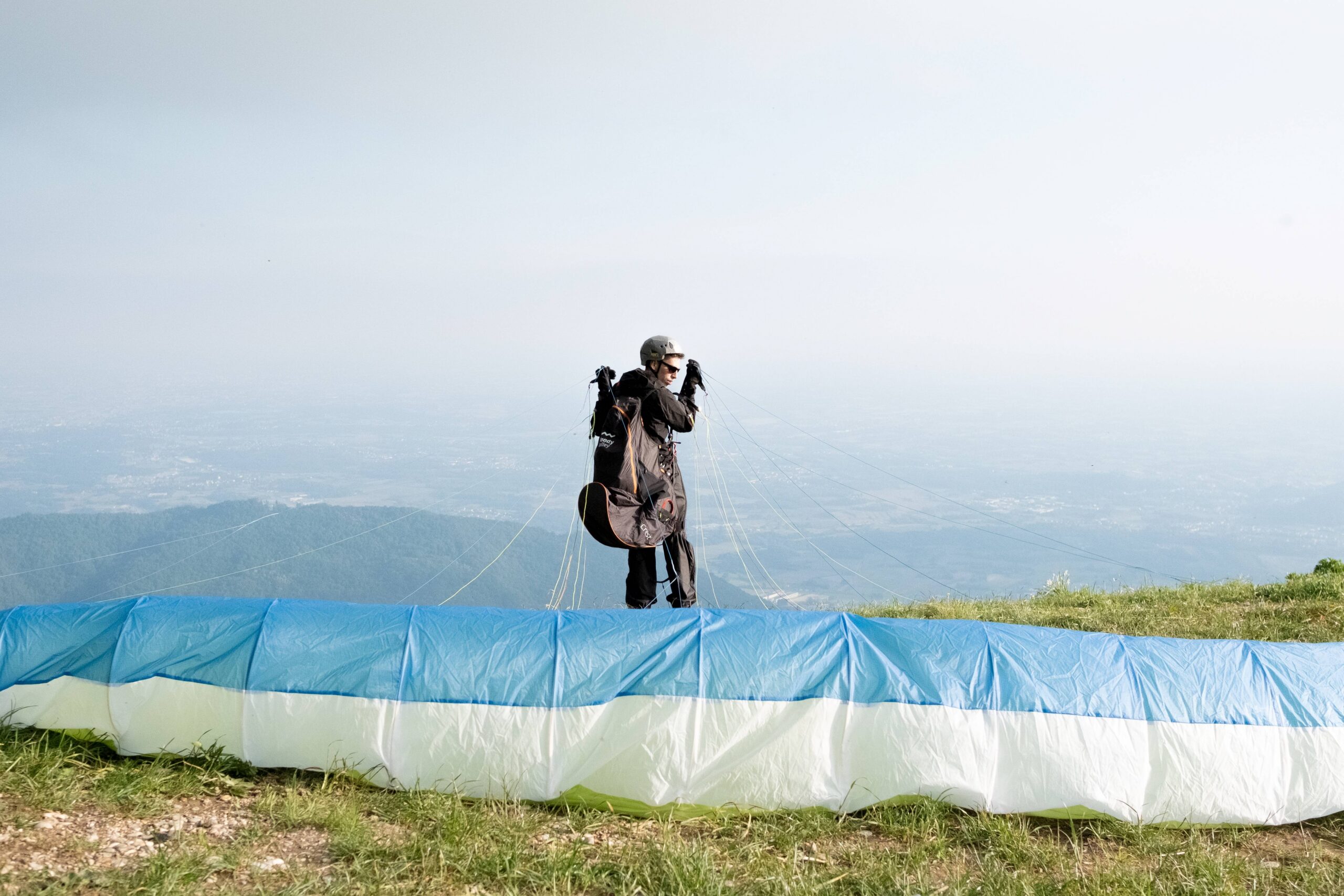
From the slopes of Monte Cuarnan, at an altitude of 1,200 metres above Gemona del Friuli, the thermals carry you up with ease. The view sweeps across the Friuli plain, the griffon vultures sailing on the currents, and the mountain ridges marking the border with Slovenia. Tandem flights with an instructor allow you to experience this view even if you have no prior experience.
Cycling and mountain biking
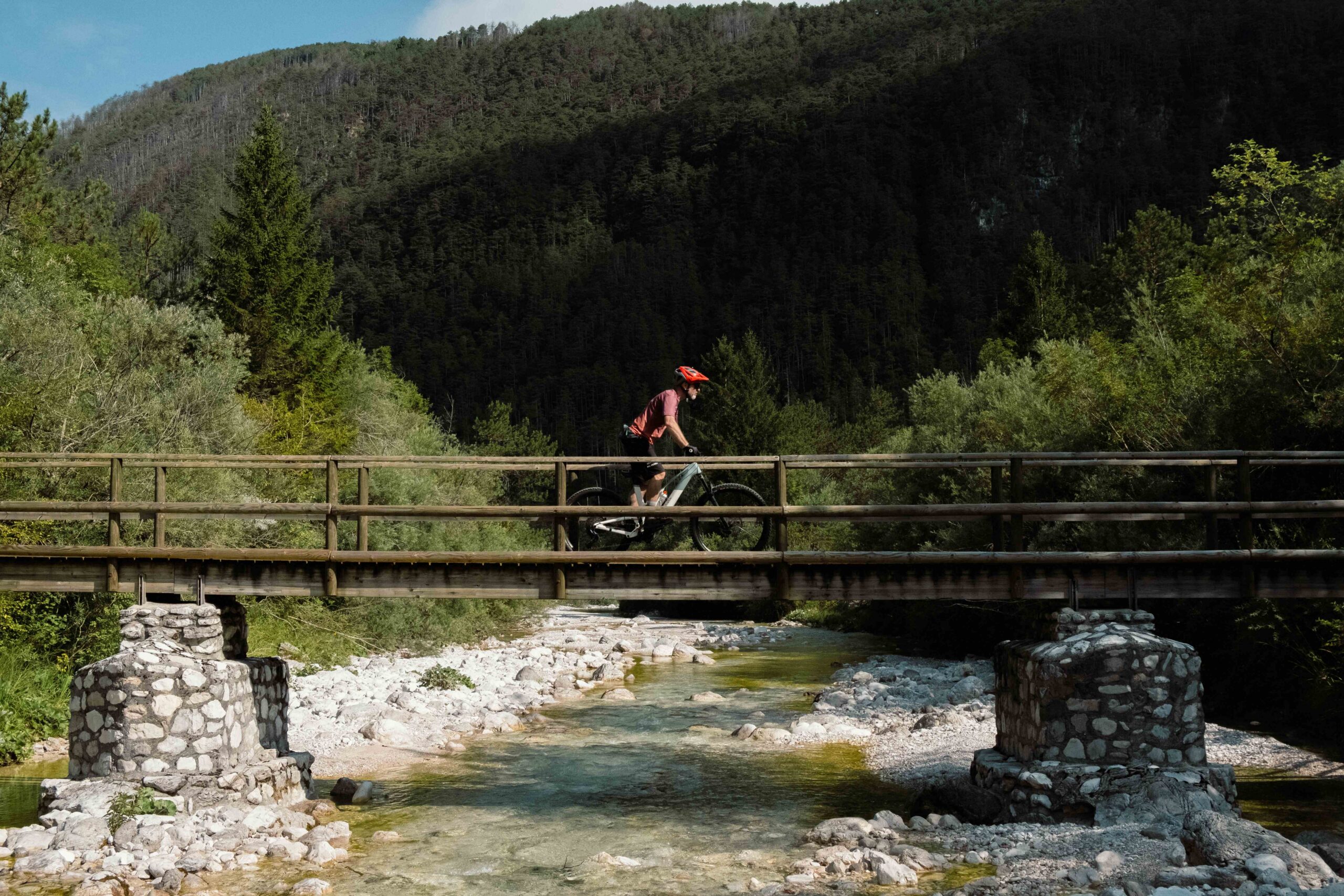
The famous Alpe Adria Cycle Route crosses the region along disused railway lines, linking the mountains and historic villages with the coast. Alongside road cycling, gravel and mountain biking offer the chance to climb up to mountain pastures and mountain huts along forest tracks, or to seek out thrills on the dedicated trail zones for more experienced riders. The climbs to Piani del Montasio and Sella Carnizza attract even the best-trained cyclists.
Winter sports
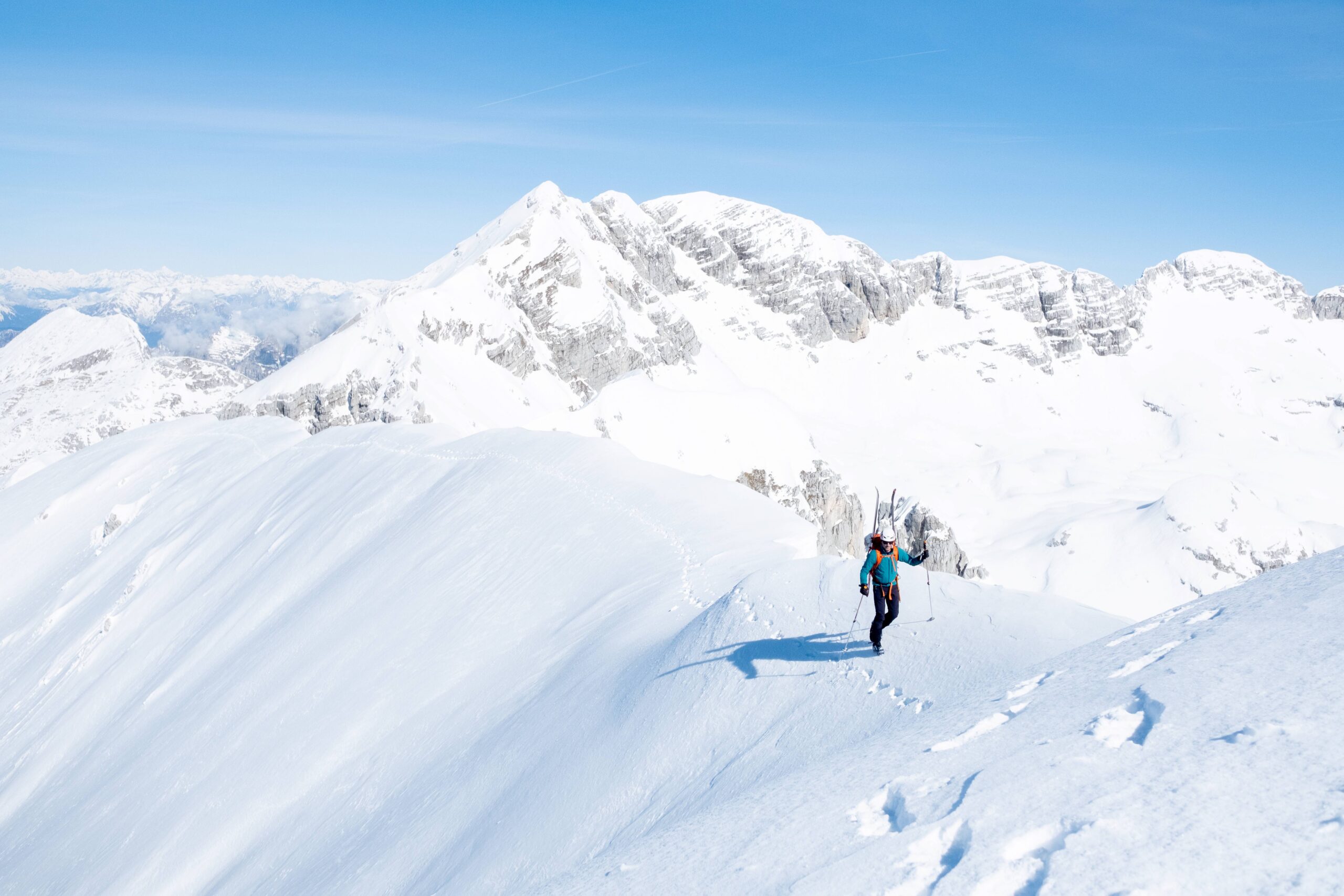
The Canin massif retains plenty of natural snow even when the lower slopes have cleared. Ski mountaineering allows you to explore snow-covered north-facing slopes and plateaus in rugged, little-visited terrain — from the introductory route to Sella Prevala to the north-facing off-piste runs of Sella Ursic. Those who prefer a slower pace will find snowshoeing a different way to experience the same landscape: the Malghe del Montasio loop takes you through silent woods and snow-covered pastures along ancient mountain pasture routes, bringing you into direct contact with the winter wildlife of the Biosphere Reserve.
Live your adventure consciously
The Julian Alps Biosphere Reserve has adopted the 10 Good Principles for outdoor sports in protected areas, promoted by the EUROPARC Federation and the European Network of Outdoor Sports. These are practical guidelines, not simply declarations of intent.
1 - You are a privileged guest
Stay in the trails, respect the natural environment and regulations to guarantee the beauty of the place
2- Plan your activity carefully
Gather the information you need to enjoy your activity and the place; you will appreciate it better
3 - If you come with a dog,
take extra care of it. Follow the regulations. Dogs can disturb other species
4 - Take care of yourself and others
and be preparated to help others, regardless their sport
5 - Everyone wants to enjoy the place
Give way to other users; anticipate that they often do not feel or see you coming, respect speed limits
6 - Help us to keep this place clean
Leave no trace and take with you the waste you make
7 - Night is for species to be alone
Avoid going in the night for your safety and let the animals live in peace
8 - Keep "secret places" secret!
Use social media and GPS tracks with responsibility and according to official regulations
9 - Avoid excessive noise
Enjoy the quietness and calm, animals need quietness as we do
10 - See it, Say it, Sort it!
If you see something wrong, tell the park. Open your eyes, appreciate nature and enjoy!
All the necessary information in a single booklet
Detailed itineraries with technical information, crags, river sections, starting points with GPS coordinates, seasonal advice, tips and best practices for an informed visit, and answers to FAQ.
This booklet contains everything you need to organise a visit to the Julian Alps Biosphere Reserve, choosing your own way of getting around the area whilst respecting nature.
To get the most out of the booklet content on your smartphone, flip your phone to landscape mode.

